Jaw crushers are widely used as primary crushing equipment in mining, quarrying, construction and aggregate production. Their main function is to reduce large pieces of rock or ore into a manageable size before the material enters secondary crushing, screening or washing equipment.
A properly selected jaw crusher can help maintain stable production, protect downstream equipment and reduce unnecessary operating costs. However, crusher performance depends on the feed material, required capacity, discharge size and overall production-line design.
How a Jaw Crusher Works
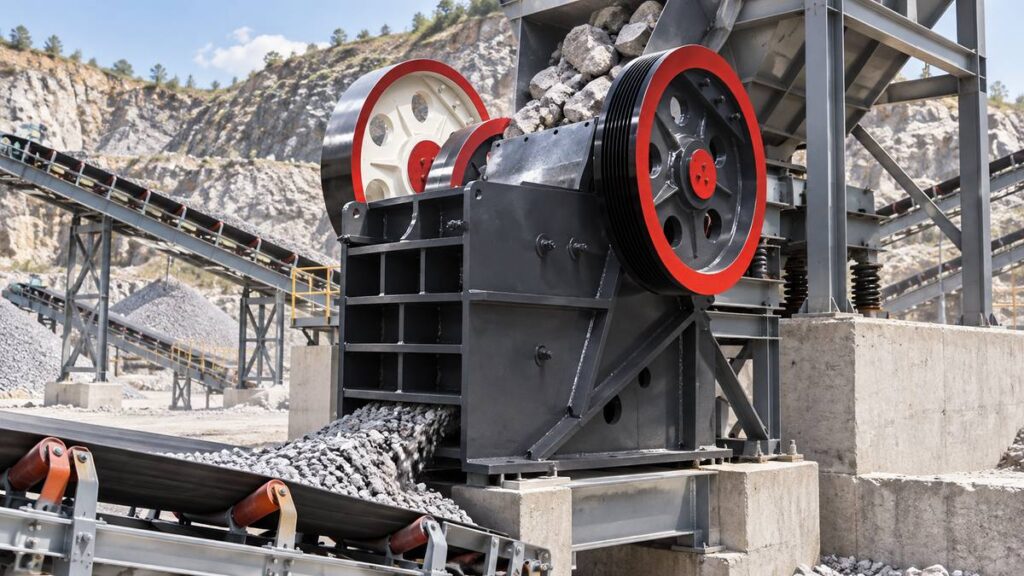
A jaw crusher uses a fixed jaw plate and a moving jaw plate to compress material inside the crushing chamber. As the moving jaw approaches the fixed jaw, the material is crushed. When the jaw moves away, the reduced material falls toward the discharge opening.
This repeated crushing action makes the machine suitable for processing hard and abrasive materials. Jaw crushers can handle different types of stone and ore, but the equipment configuration should always be matched to the actual application.
The Role of Primary Crushing
Primary crushing is the first major size-reduction stage in a mineral processing or aggregate production line. Large material from a mine, quarry or construction site cannot normally be sent directly to a vibrating screen or fine crusher.
The jaw crusher reduces the feed to a size that can be processed efficiently by cone crushers, impact crushers, sand-making machines or screening equipment. Consistent output from the primary crusher helps improve the stability of the entire plant.
Main Components of a Jaw Crusher
The crushing chamber contains the jaw plates, which come into direct contact with the material. The frame supports the machine, while the flywheel, eccentric shaft, bearings and drive system generate the crushing movement.
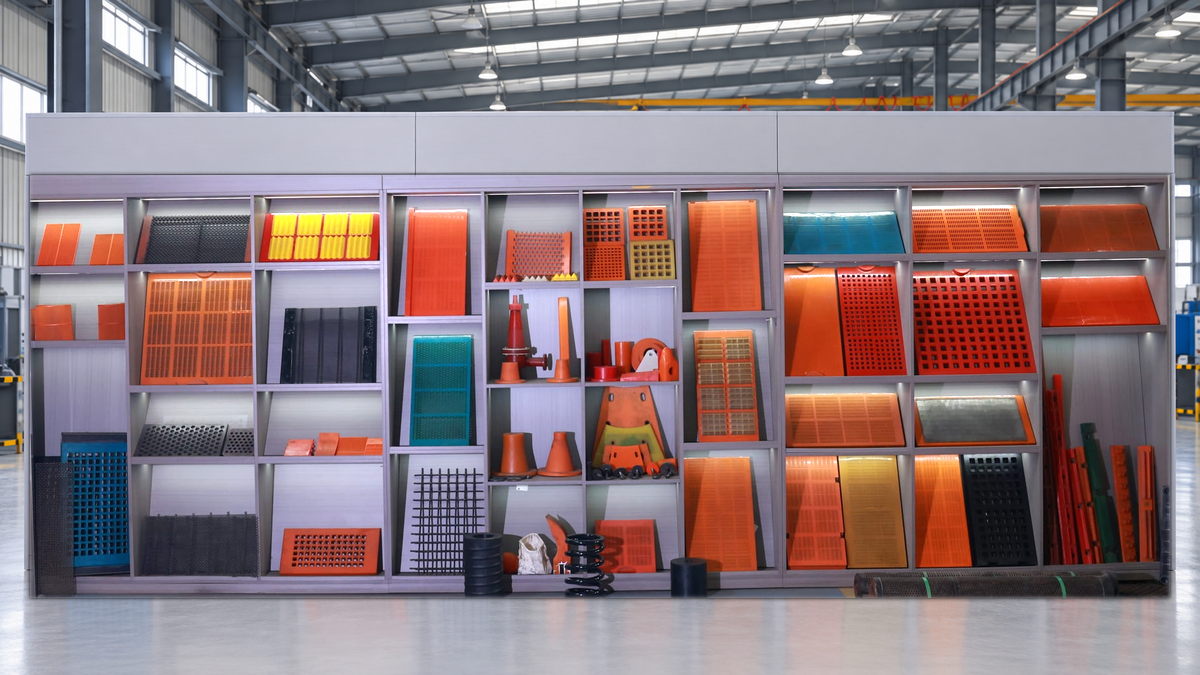
Wear-resistant jaw plates protect the main structure and can be replaced after extended operation. The discharge opening can be adjusted within the machine’s designed range to control the size of the crushed material.
Factors to Consider When Selecting a Jaw Crusher
Choosing a jaw crusher based only on its external dimensions may result in insufficient capacity, excessive wear or poor coordination with other equipment. Several operating conditions should be reviewed before selection.
Feed Size and Material Hardness
The maximum feed size must be suitable for the crusher’s feed opening. Oversized material may cause bridging, uneven feeding or damage to the crushing chamber.
Material hardness and abrasiveness influence jaw plate selection and expected wear. Hard rock and mineral ore normally require durable wear parts and a strong crusher structure. Softer materials may allow a different chamber design or operating configuration.
Required Capacity
Crusher capacity is affected by feed size, material density, moisture content, discharge setting and feeding conditions. A machine should be selected according to the required hourly output and the capacity of the downstream equipment.
Installing an oversized crusher may increase investment and energy consumption, while an undersized crusher can create a production bottleneck. The complete process should therefore be considered instead of evaluating one machine separately.
Discharge Size
The required discharge size depends on the next processing stage. Material entering a cone crusher, impact crusher or vibrating screen must remain within the acceptable feed range of that equipment.
The jaw crusher’s discharge opening should be adjusted according to production requirements. Excessively small settings may reduce capacity and increase wear, while excessively large settings can place additional load on downstream equipment.
Improving Jaw Crusher Performance
Stable feeding, correct installation and regular maintenance are essential for reliable operation.
Maintain Consistent Feeding
A vibrating feeder can deliver material to the crusher at a controlled rate. Uniform feeding helps prevent sudden overload and allows the crushing chamber to work more efficiently.
Material should be distributed across the feed opening rather than concentrated on one side. Metal objects and unsuitable oversized material should be removed before entering the crusher whenever possible.
Inspect Wear Parts Regularly
Jaw plates, side guards and other wear components should be inspected during scheduled maintenance. Uneven wear can affect the shape of the crushing chamber and reduce crushing efficiency.
Wear parts should be replaced or adjusted before they cause damage to other components. Maintenance records can help operators estimate replacement intervals under different operating conditions.
Check Lubrication and Fasteners
Bearings and moving components require suitable lubrication according to the equipment instructions. Insufficient lubrication may cause overheating and premature component failure.
Foundation bolts, guards, drive components and electrical connections should also be checked regularly. Unusual noise, vibration or temperature changes should be investigated before operation continues.
Integrating a Jaw Crusher Into a Production Line
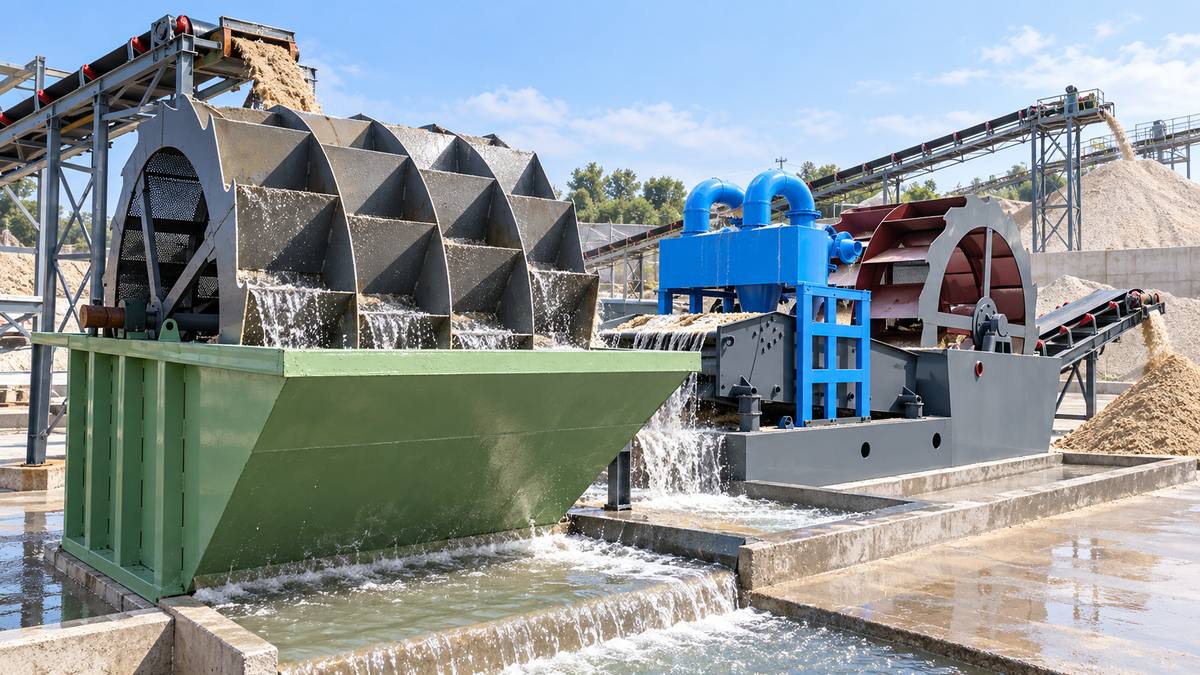
A complete crushing and screening line may include a feeder, jaw crusher, secondary crusher, vibrating screen, conveyors and washing equipment. Each machine must be matched to the required final product and production capacity.
For quarry and aggregate applications, the jaw crusher commonly handles primary crushing before the material enters a cone crusher or impact crusher. The vibrating screen then separates the material into different sizes. Oversized particles can be returned for further crushing, while qualified material moves to storage or washing.
Dust control, equipment access and maintenance space should be considered during layout planning. A practical arrangement can simplify inspections and reduce downtime.
Selecting Equipment for the Application
Before requesting a jaw crusher quotation, buyers should prepare information about the raw material, maximum feed size, required capacity, final product size and site conditions. Photographs, drawings and information about existing equipment can support a more accurate recommendation.
Luosite supplies jaw crushers and related crushing, screening, washing and conveying equipment for mining and aggregate applications. Equipment specifications and production-line configurations can be reviewed according to the customer’s material and operating requirements.
A reliable primary crushing stage creates a stable foundation for the complete processing line. Correct selection, consistent feeding and planned maintenance help the jaw crusher deliver dependable performance throughout its operating life.