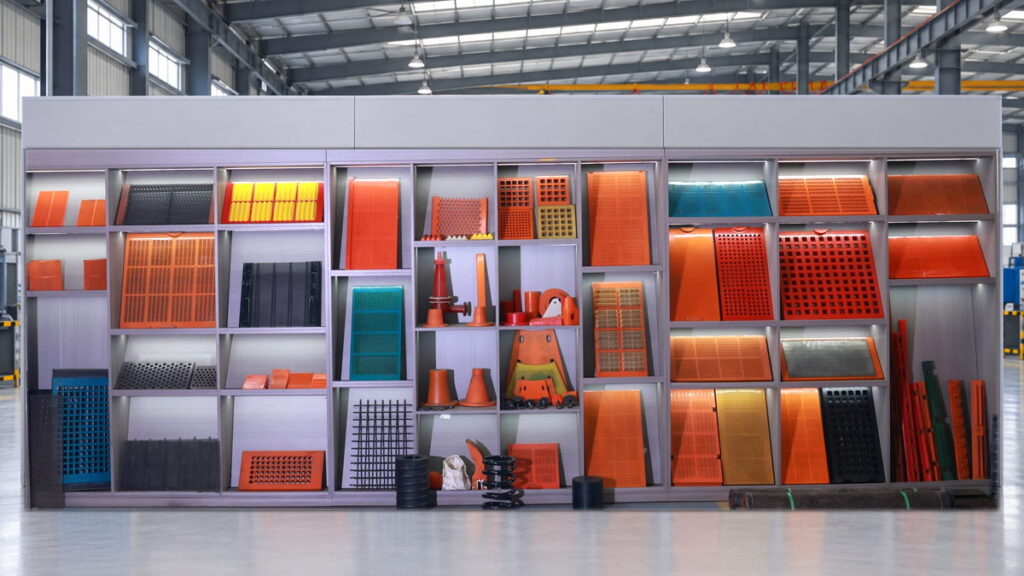
Selecting the right screen media is essential for maintaining stable production, accurate material classification and reasonable operating costs. In mining, quarrying, sand production and aggregate processing, screen media works continuously under impact, abrasion, vibration and changing moisture conditions. A screen that performs well in one application may wear quickly or become blocked in another.
Understanding the material, equipment and operating environment makes it easier to select a suitable screen type. The correct choice can improve screening efficiency, reduce unplanned downtime and support more consistent product quality.
Why Screen Media Selection Matters
Screen media directly affects capacity, separation accuracy and equipment reliability. Openings that are too large may allow oversized material to pass, while openings that are too small can restrict material flow and reduce output. An unsuitable material can also cause premature wear, tearing or deformation.
The selection process should consider more than aperture size. Feed size, material hardness, moisture content, impact force, required capacity and installation method all influence screen performance.
Material Characteristics
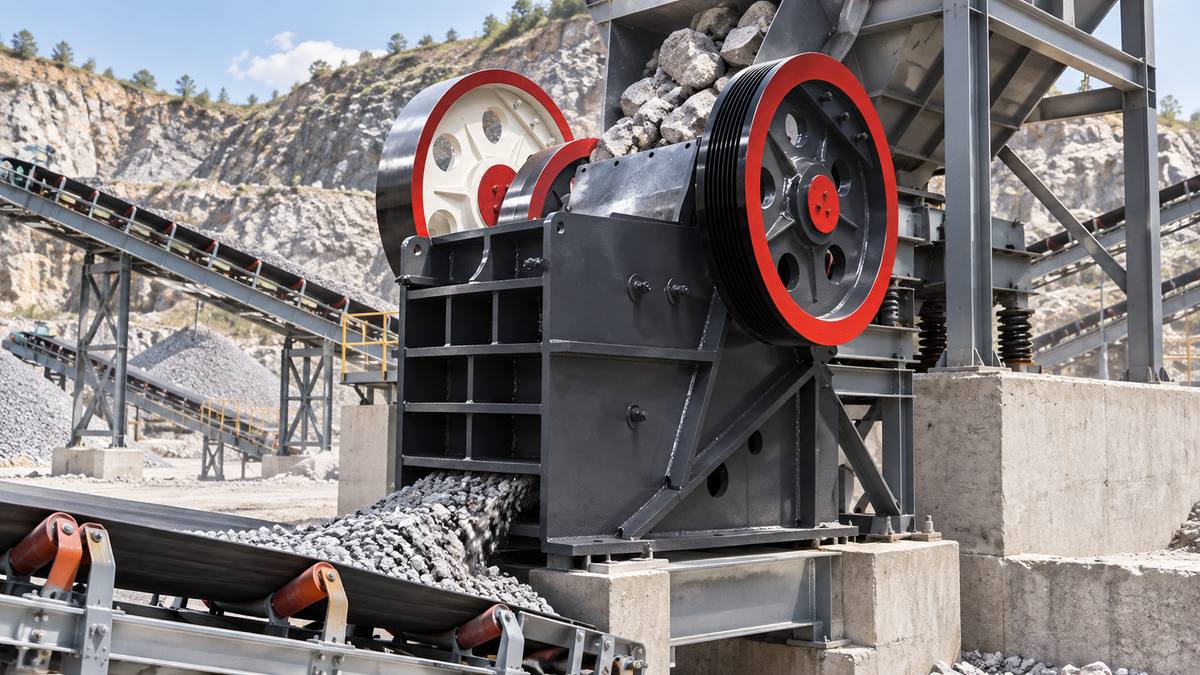
Hard and abrasive materials such as crushed stone, metallic ores and quarry aggregate require screen media with strong wear resistance. Manganese steel woven screens are commonly used for demanding dry-screening duties because they combine strength, flexibility and impact resistance.
Wet, sticky or fine materials present different challenges. Moisture can cause particles to adhere to the screen surface and block the openings. Polyurethane panels, rubber screens and specially designed anti-blocking screens may provide better performance under these conditions.
The shape of the feed material should also be considered. Flat or elongated particles behave differently from rounded material and may require a different aperture shape or screen arrangement.
Aperture Size and Screening Accuracy
Aperture size should be selected according to the required final product size. Square openings are widely used for general classification, while rectangular or slotted openings can increase open area and improve capacity in certain applications.
Wire diameter and panel thickness also influence performance. Thicker wires normally provide longer wear life but reduce the available open area. Thinner wires increase screening area but may wear more quickly under heavy impact. A practical balance between capacity, accuracy and service life is therefore necessary.
Screen Media Options for Different Applications
Different screen types are designed for different working conditions. Comparing their structures and performance helps operators make a more suitable choice.
Woven and Anti-Blocking Screens
Manganese steel woven screen mesh is widely used in vibrating screens for mining, quarrying and aggregate classification. It is available in different wire diameters, aperture sizes and edge configurations.
Anti-blocking screens use flexible wire arrangements that allow slight movement during operation. This self-cleaning action helps reduce pegging and blinding when screening damp, irregular or difficult materials.
Welded and Perforated Screens
Welded screen panels offer a rigid structure and consistent aperture size. They are suitable for applications requiring dimensional stability, impact resistance and customized panel construction.
Perforated steel screens are manufactured from punched steel plates. Different hole shapes, plate thicknesses and opening patterns can be produced according to the equipment and material requirements. These screens are often selected for heavy-duty classification and applications where structural strength is important.
Polyurethane and Rubber Screens
Polyurethane screens provide good wear resistance and noise reduction. Modular polyurethane panels are frequently used in wet screening, coal washing, dewatering and fine material recovery.
Rubber screens can absorb impact and reduce operating noise. They are suitable for handling coarse materials and applications where flexibility and impact resistance are required. However, the final selection should always be based on actual feed conditions and equipment design.
Matching the Screen to Operating Conditions
Screen media should be evaluated as part of the complete screening system. The screen deck angle, vibration frequency, feed distribution and equipment condition all influence performance.
Dry and Wet Screening
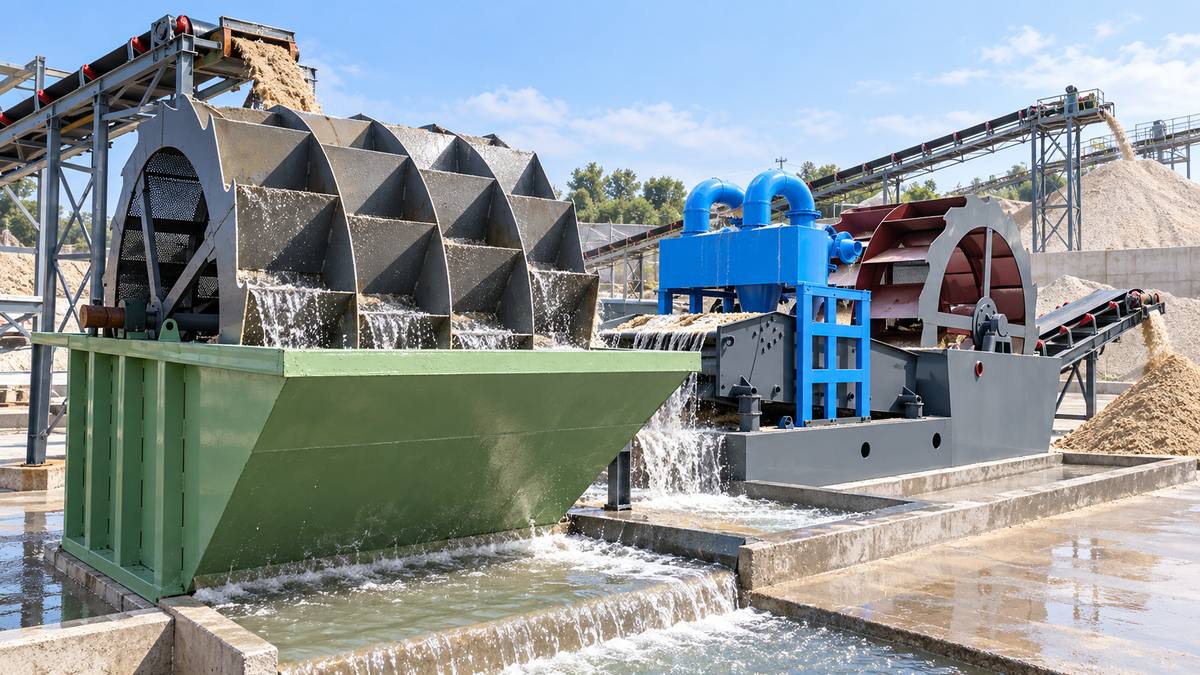
Dry screening requires sufficient material movement and open area. Excessive moisture or clay content may cause ordinary woven screens to block. Wet screening uses water to assist separation and may require corrosion-resistant materials, polyurethane panels or dewatering screen media.
For washing and dewatering operations, the screen must provide accurate separation while allowing water to pass efficiently.
Impact and Wear Conditions
The feed point usually receives the highest impact. Heavy material falling directly onto the screen can shorten service life. Using suitable feed chutes, impact-resistant panels or reinforced screen sections can help protect this area.
Wear is not always uniform across the screen deck. Regular inspection can identify high-wear zones and allow individual panels or sections to be replaced before failure.
Installation and Maintenance
Correct installation is as important as product selection. Screen tension, fastening systems, support bars and edge hooks should match the equipment. Loose installation may cause movement, cracking or premature damage.
Operators should check screen tension, panel condition, aperture blockage and fastening components during routine maintenance. Keeping records of service life and production conditions can also support better product selection for future replacements.
Working With an Experienced Supplier
A reliable supplier should review the application before recommending a screen. Useful information includes the material type, feed size, required cut size, equipment model, panel dimensions, capacity, moisture level and operating environment.
Drawings, measurements and sample photographs can help confirm the correct structure. For customized applications, screen media can be produced according to specific aperture sizes, materials, panel dimensions and installation requirements.
Luosite supplies screen media, mineral processing equipment and wear-resistant parts for mining, quarrying, sand washing and aggregate operations. Customers can provide product specifications, equipment details, drawings or sample photos for technical review and quotation.
Selecting the right screen media begins with accurate application information. A carefully matched solution can support reliable screening, consistent output and more efficient plant operation.